
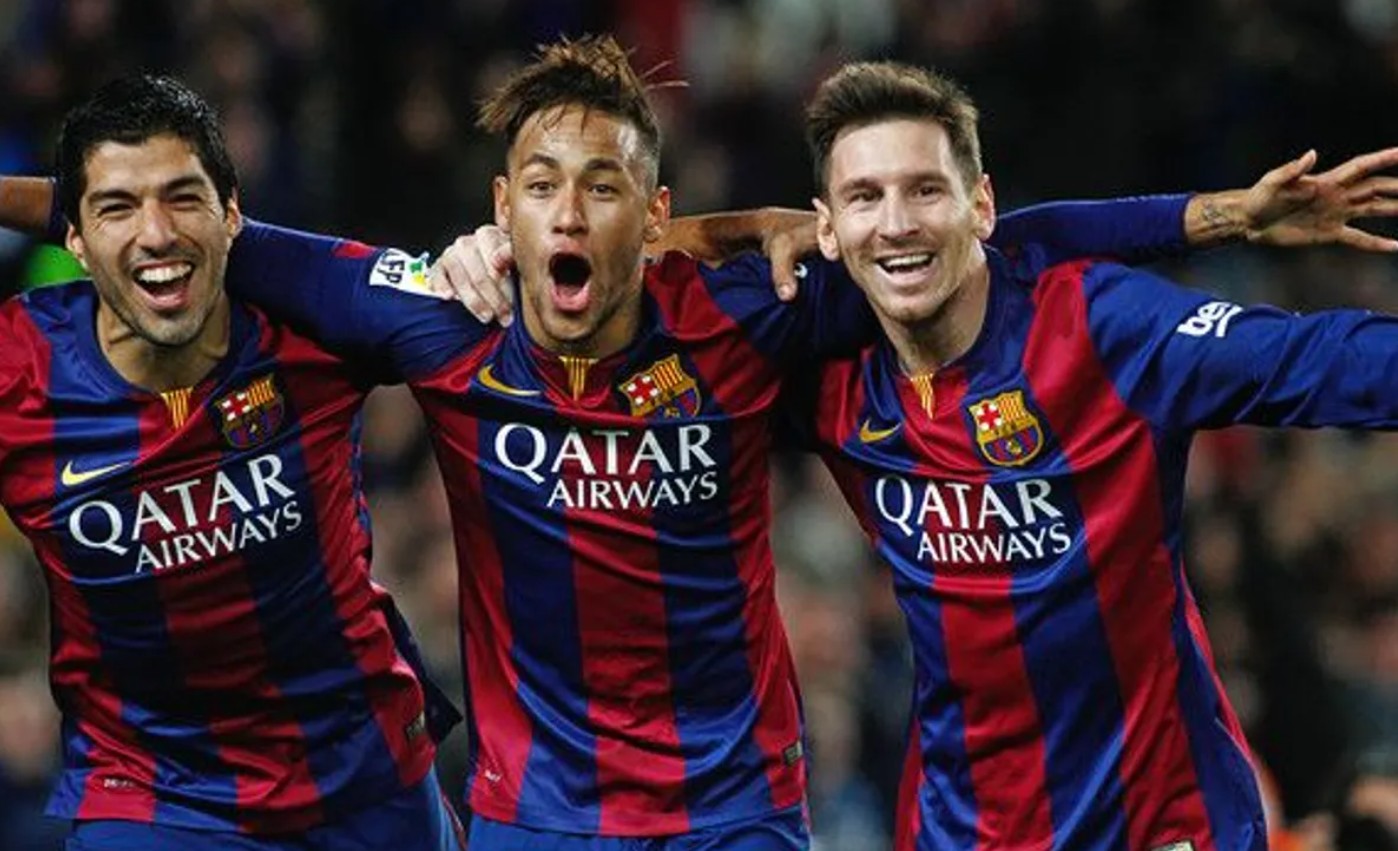
José Mourinho as manager of Chelsea, was close to signing the footballer of the time and Goat Lionel Messi from FC Barcelona.
At 38, Leo Messi enters a new season in the United States with Inter Miami. Far away from the competitive whirlwind of Europe, the Argentine enjoys football at a lower level, knowing that he is in the final chapters of an irreplaceable career.
Read: Roma have Bodø/Glimt star at the top of their wish list
Still, there was a moment when his story could have taken a radical turn. During the peak of his career at Barcelona, a monumental bid was about to change the landscape of European football.
Chelsea made a historic bid
During Barcelona’s most dominant era in the 2000s, with Messi amassing Ballon d’Or and unattainable goal records, Chelsea came up with a proposal that broke all previous records: £220 million, just over €250 million at the time. A huge sum for the period, far above market standards. – The world record still stands, Neymar’s transfer from Barcelona to Paris Saint-Germain cost 222 million euros.
At Stamford Bridge, the belief was that signing the world’s best player would not only strengthen the sporting project, but also lift the club to a new global dimension. At a time of international expansion, the Premier League saw the opportunity to add the world’s most influential footballer to its own showcase showcase.
At Camp Nou, the bid was seriously analysed. The financial impact was so significant that the Catalan club even gave the green light for the operation. That sale would have marked a before and after in the unit’s financial and sporting planning. However, the final decision did not lie in the boardroom.
Read on F7: Demands Italian big clubs copy Bodø/Glimt
Messi chose to stay at Barcelona
The outcome depended solely on the player himself. And Messi chose to continue at Barcelona. Beyond money and the challenge that the Premier League represented, he prioritized the emotional and sporting bond with the club that had nurtured him since his youth.
His decision cemented a golden age. In the years that followed, Barcelona continued to dominate in Spain and compete at the highest level in Europe, with Messi being the absolute centerpiece. His collaboration with Xavi Hernández and Andrés Iniesta defined a generation and redefined the way the game is understood.
If he had accepted the transition, the balance of European competition could have shifted dramatically. Barcelona would have started their transfer process earlier, and the Premier League would have added the most influential player in his prime. It wasn’t just a signing; It was a structural change in the football order.
A decision that marked an era
Over time, that Chelsea bid remained one of the big unfulfilled stories in the transfer market. Messi stayed at Barcelona until 2021, becoming the club’s all-time top scorer and the indisputable symbol of its brightest era.
Today, from Miami, his legacy is intact. After his time in Paris and his move to MLS, the Argentine competes at a different pace, but with the same quality that made him a legend. His refusal to go to England was an act of conviction that ended up shaping football’s recent history.
Sometimes big changes don’t come from a signature. That summer, Barcelona agreed to sell. Chelsea was ready to pay. But Messi said no. And football followed the path he chose.