
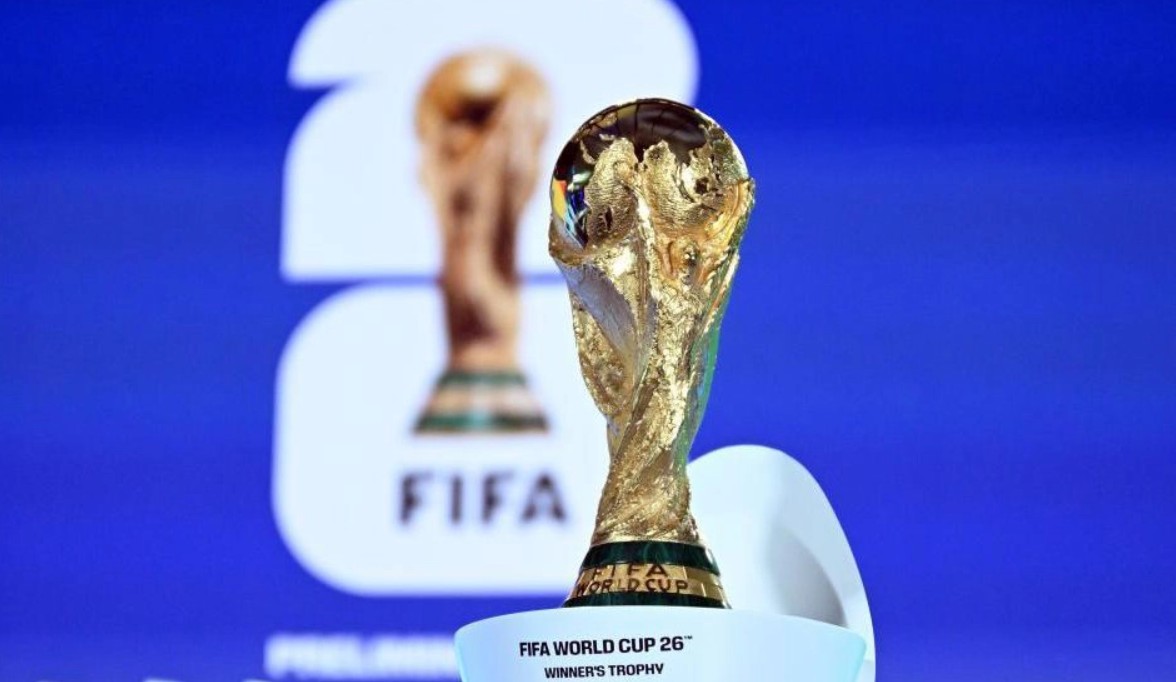
Norwegian football is experiencing one of its most promising periods in decades. After years spent on the sidelines of major tournaments, the national team now boasts a core of world-class talent and a renewed sense of belief. Recent performances suggest Norway is no longer just rebuilding; it is evolving into a competitive force.
But while the progress is real, winning the World Cup in 2026 would require another level entirely. To reach that stage, Norway must address key weaknesses and make the most of its growing strengths.
Choose a bookmaker in Norway to place a bet on the World Cup 2026.
Norway’s biggest advantage is obvious: elite attacking talent. Erling Haaland remains one of the most feared strikers in world football, capable of deciding matches on his own. Supporting him is Martin Ødegaard, whose leadership and creativity have transformed Norway’s midfield into a genuine attacking engine.
Around them, players like Alexander Sørloth, Antonio Nusa, and Oscar Bobb bring depth, pace, and tactical flexibility. This attacking core gives Norway something it has rarely had in the past – the ability to threaten any opponent.
Recent developments, however, show even more progress. Over the last year, Norway has looked more structured and confident in competitive matches. The team presses higher, transitions faster, and plays with more intent on the ball. Younger players are being trusted earlier, creating better continuity and long-term cohesion.
Importantly, Norway has also improved its mentality. In past qualifying campaigns, small setbacks often derailed momentum. Recently, the squad has shown greater resilience, grinding out results even when performances aren’t perfect.
What still needs to improve
Norway’s defense remains the biggest question mark. While individual defenders like Kristoffer Ajer and Leo Østigård have strong club experience, the back line still lacks consistency at the international level. Poor positioning and lapses in concentration against top-tier teams have been costly.
To compete for a World Cup title, Norway must develop a defense that can stay compact under pressure and manage games when they are not dominating possession.
Haaland and Ødegaard are irreplaceable, but Norway cannot rely solely on them. Injuries or fatigue could quickly expose a lack of depth in certain positions, particularly in central midfield and full-back roles.
Successful World Cup teams typically rotate without losing quality. Norway must continue developing players who can step in seamlessly.
Another thing to improve is game management and tactical flexibility. Against weaker teams, Norway often controls matches. Against elite opponents, however, adapting tactics mid-game has been a challenge. Learning when to press, when to sit deep, and how to protect narrow leads will be essential.
Tournament football is about moments. Norway must become smarter in controlling tempo and minimizing risk.
Consistency on the bench will be crucial. Norway needs a clear long-term tactical identity that maximizes its attacking strengths while reinforcing defensive structure. Constant experimentation could slow progress, while stability could help the squad peak at the right time.
Clear roles, automated movements, and disciplined positioning, especially without the ball, will separate a competitive Norway from a championship contender.
If development continues at its current pace and key players remain healthy, Norway could emerge as one of the tournament’s most dangerous dark horses.
The bottom line is that Norway’s national team is no longer defined by potential alone; results and performances are starting to follow. The attacking talent is already world-class, but defensive discipline, squad depth, and tactical maturity will decide how far this team can go.
World Cup 2026 may not yet be Norway’s moment to lift the trophy but it could be the tournament where the country finally announces itself as a true global football power.