Sport has long been an integral part of Norwegian society and plays a significant role in both everyday life, culture and identity. For many Norwegians, sport is not only linked to competition and performance, but also to structure in everyday life, social belonging and personal development. Participation in sports often starts at a young age through local sports teams, and continues for many into adulthood in the form of exercise, outdoor activities or organized training.
Norwegian society attaches great importance to accessibility and inclusion in sports. This means that sports are not just for the few, but for everyone, regardless of their skill level or level of ambition. This broad approach helps to ensure that sport is perceived as a natural and positive part of life, and not just as an arena for elite athletes.
Popular sports among Norwegians
Which sports are most popular in Norway is largely influenced by the country’s climate, nature and historical traditions. Winter sports have long had a central place, but interest in team sports and international sports has also grown significantly over time. Media coverage and high-level Norwegian performances have helped to strengthen interest and engagement among the audience.
Many sports have a dual function in Norway, where they function both as a competitive sport and as a grassroots activity. This means that both active athletes and spectators feel a strong connection to the sport, whether they participate themselves or watch from the sidelines.
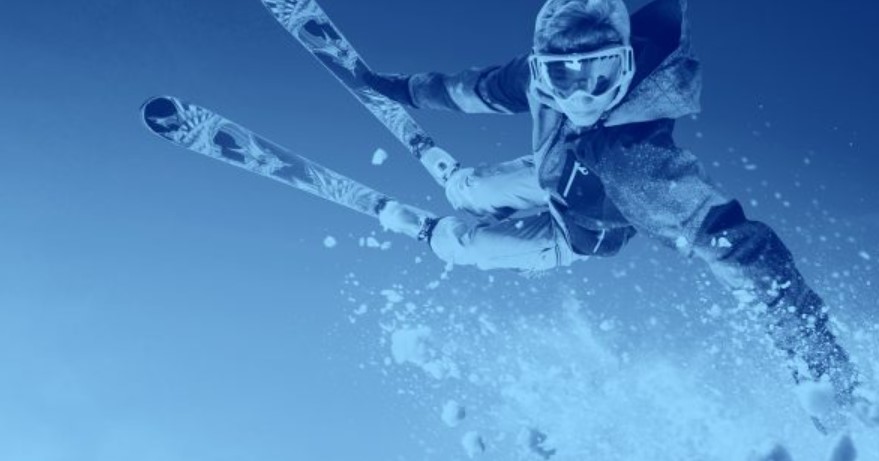
- Cross-country skiing, biathlon and alpine skiing are strong and have deep roots in Norwegian sports history
- Football is the most widespread team sport and engages people all over the country
- Handball and ice hockey have increased their popularity at both club and national level
The importance of sport for health and quality of life
Sport and physical activity play a key role in the work on public health in Norway. Regular movement contributes to better physical fitness, reduced stress and increased mental well-being. Many Norwegians combine organized sports with outdoor activities such as walks in the woods and mountains, cycling or cross-country skiing, which strengthens the connection between sport and nature.
Especially in children’s and youth sports, the focus is on mastery, security and joy rather than one-sided performance. This helps to create healthy attitudes towards physical activity that can last a lifetime. Volunteer coaches, parents and local organisations play a crucial role in maintaining this structure and ensuring a good offer at the local level.
Sport as entertainment and social meeting place
Sport also has a clear function as entertainment in Norwegian society. Major championships, international matches and important club matches bring people together in front of screens and in arenas, creating shared experiences that extend beyond the competition itself. Such events provide space for community, discussion and engagement, both in private and public contexts.
In this context, the interest in analyses, statistics and background information shows how important knowledge has become for sports enthusiasts. Many people use various sources of information to stay up-to-date on matches, leagues and developments in sports, including websites such as Norwegian betting sites, which are often used to get an overview of sports-related content and current topics.
Volunteering and organization in Norwegian sports
One of the pillars of Norwegian sports is volunteering. Thousands of people put in significant effort every year to ensure that sports teams, tournaments, and events function properly. These efforts contribute to low thresholds for participation and make it possible to maintain a wide range of activities throughout the country.
The organized structure also provides a clear framework for development, both for athletes and coaches. Through cooperation between clubs, federations and local communities, stable conditions are created that facilitate long-term development in sports.
Concluding reflections
Sport in Norway represents far more than competition and results. It serves as an important arena for health, community and personal development, while at the same time providing room for high-level achievement and ambition. Through a combination of tradition, volunteerism and modern organization, sport has established itself as a stable and valued part of Norwegian society.
Whether you participate actively, follow along as a spectator or get involved voluntarily, sport has the ability to bring people together and create lasting value. This makes sport an important social factor that continues to play a central role in Norway, both today and in the future.