
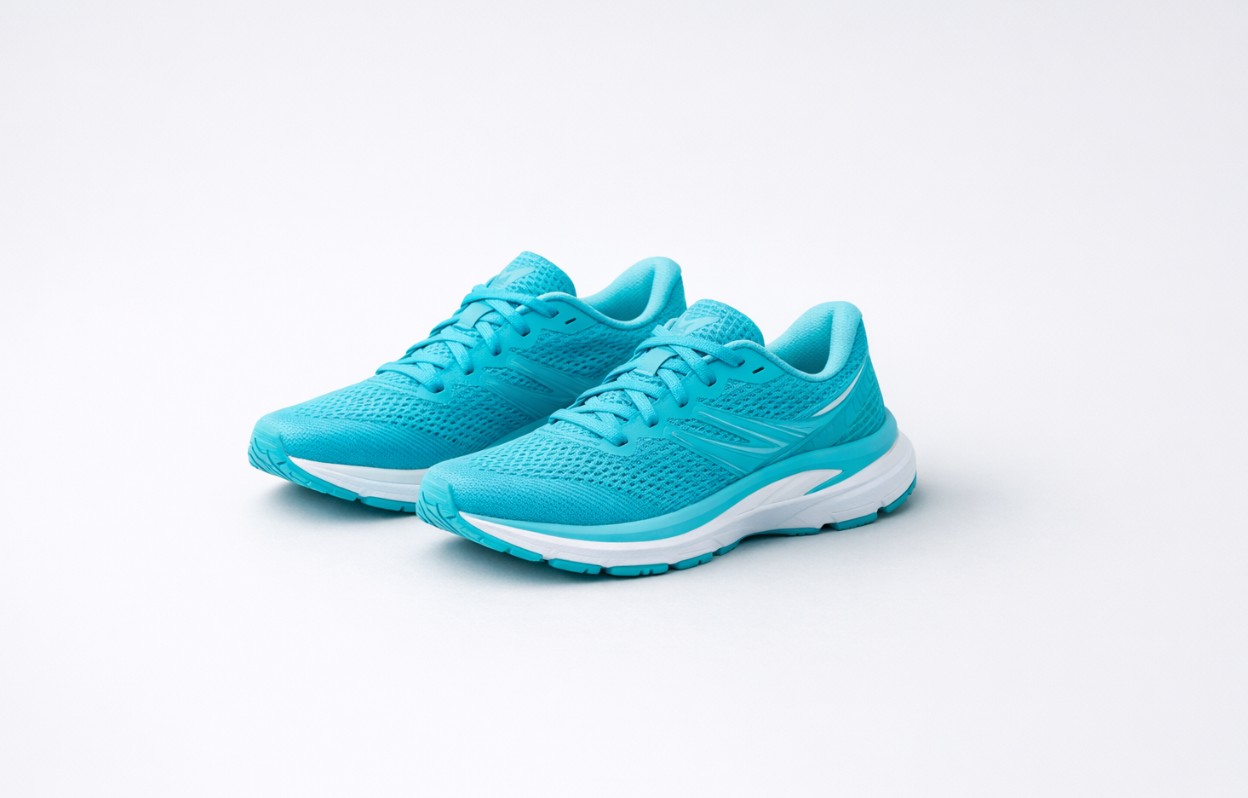
Running shoes have been essential for women’s participation in sports and fitness. Historically, the development of these shoes has been significant for improved performance and comfort. Technological advancements continue to shape the future of women’s running shoes.
In today’s world, running shoes play an important role in women’s sports and fitness routines. They provide the necessary support and comfort, which is essential for improving athletic performance.Women’s running shoes have undergone a significant evolution from their early designs to today’s high-end models. This development has not only increased performance, but also reduced the risk of injury among female athletes. To fully understand this development, one must look at both historical trends and modern innovations in running shoes.
From simple designs to advanced technology
At first, women’s running shoes were often smaller versions of men’s models, without special adaptation to women’s feet. Early running shoes often lacked the necessary cushioning and support that today’s models offer. Over the years, there has been a gradual progression towards understanding the unique needs of female runners. Designers began to realize the importance of creating shoes that better fit women’s anatomy, which led to more ergonomic and specialized shoes. Over time, progress was made in material selection, with a focus on lightweight and breathable materials.
Today’s running shoes benefit from many technological advancements that improve both performance and comfort. New materials, such as lightweight foam composites and specialized rubber substrates, contribute to better cushioning and grip. Innovations such as seamless construction reduce the risk of chafing, while advanced support systems provide better stability. This has allowed female athletes to perform at higher levels with less strain on the body.
One of the most significant changes in the running shoe industry has been the recognition that women’s feet have different proportional measurements than men’s. Female runners generally have narrower heels, higher ankles, and a different weight distribution during running. This has led manufacturers to now design shoes with specific lasts that take these anatomical differences into account. Modern running shoes for women also feature improved heel construction that provides a better fit and prevents the foot from slipping during intensive workouts. This adaptation has revolutionized the comfort and efficiency of women’s running shoes, enabling more women to participate in running as a sport and form of exercise.
How technology improves performance
Thanks to these advancements, female athletes have experienced a noticeable improvement in their physical performance. Women’s running shoes now provide better support, which is critical for maintaining proper running technique over longer distances. In addition, better cushioning helps absorb shocks during landing, which reduces the chance of repetitive strain injuries. With less risk of injury, athletes can focus more on training and competition without unnecessary worries.
Going forward, further innovations in women’s running shoes are expected, with new technologies aimed at even greater comfort and performance. Future trends could include more personalization using 3D printing as well as the integration of smart technology that monitors foot movements in real time. Such developments bode well for the female runners of the future who want to maximize their potential with minimal risk.