
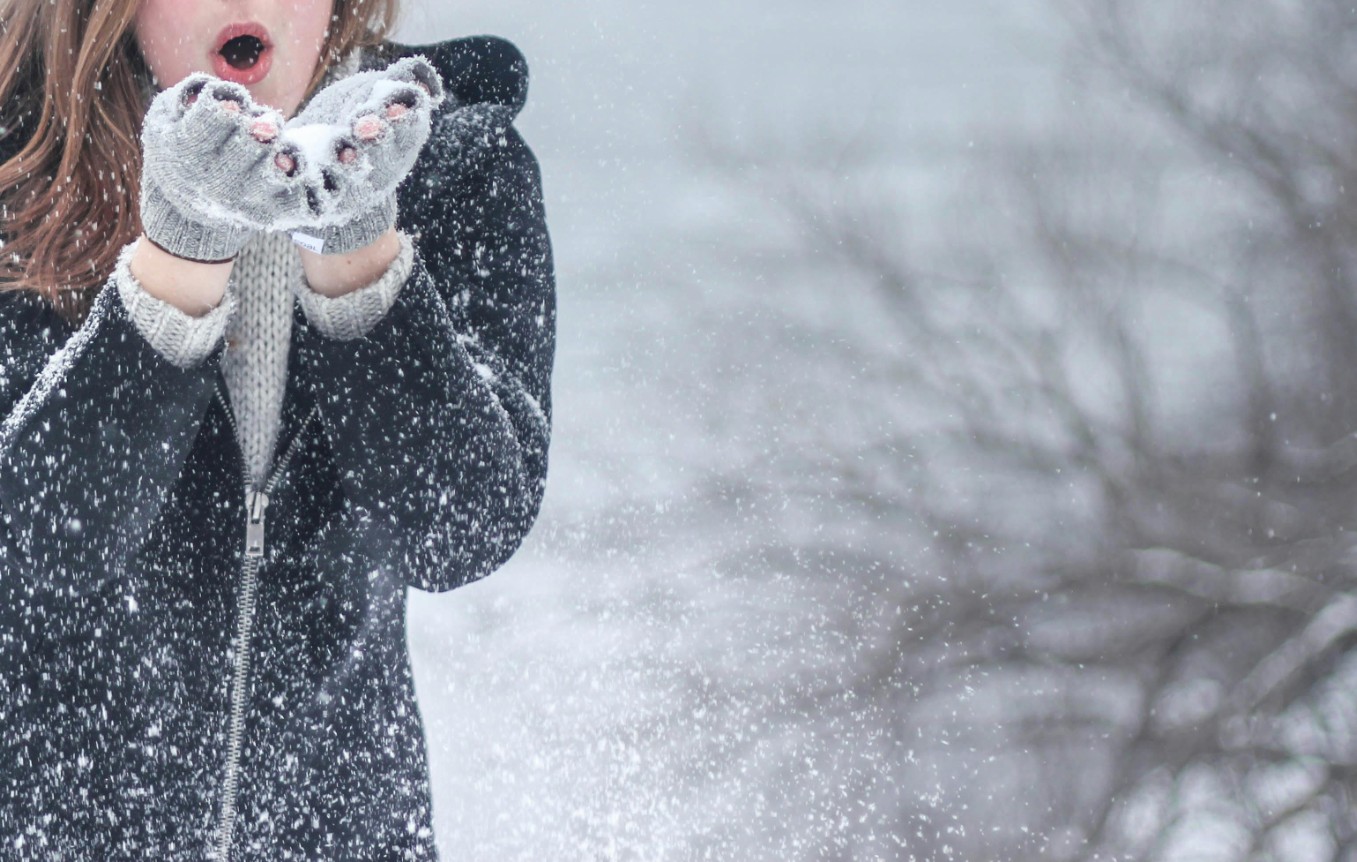
There is something about this winter that differs from others. The cold seems sharper, the snow feels more meaningful, and the conversations around the dinner table revolve more often around sports than usual. As the Winter Olympics approach, something happens to both the mood and expectations – not only among top athletes, but also in the everyday lives of most people. It’s about more than competitions and medals; It’s about identity, community and the feeling of being part of something bigger.
A winter with extra nerve
This year, winter may be perceived as more charged than usual. Perhaps it is because the Winter Olympics represent one of those rare moments where the whole world gathers around the same moments, regardless of language, culture and borders. Snowfall and sub-zero temperatures become not just weather phenomena, but a reminder of what lies ahead: intense moments, historic achievements and moments that will be remembered for decades to come.
For many Norwegians, winter has always been closely linked to sports. As the Olympics approach, this connection is strengthened. Ski trips, icy waters and dark evenings take on a new meaning – as a backdrop for what will soon unfold on the world’s largest winter stage. Whether you follow cross-country skiing, biathlon, ski jumping or alpine skiing, the upcoming Olympics will be exciting to follow.
Expectations built over time
An important reason why this winter feels different is the expectations that have built up over several years. In the meantime, the athletes have been preparing quietly, often far away from the limelight. When the championship finally approaches, the excitement is unleashed.
These expectations are not only related to medals. They are also about the stories behind it: the comebacks, the breakthroughs and the personal struggles that lie behind every run and every jump. The audience knows the stories, follows the developments and invests emotionally in the performers’ journeys.
Sport as a focal point in a busy time
In an everyday life characterized by high pace, digital distractions and a constant flow of information, the Winter Olympics serve as a rare gathering point. This winter feels different precisely because many people know that there will soon be moments where time almost stops. The silence before the starting gun, the excitement in the seconds ticking, and the jubilation – or disappointment – that follows.
Olympic evenings bring together families, friends and colleagues. Conversations continue the next day, are analyzed and relived. In this way, the championship leaves its mark on the entire winter, long before the first medal has been awarded.
Increased engagement also outside the competitions
As the Winter Olympics approach, so does interest in everything about the competitions themselves. Analysis, statistics and pre-assessments are given more space than usual. Many follow training results, withdrawals and form curves with almost as much interest as the championship itself.
This commitment manifests itself in various ways. Some discuss potential medal candidates, others delve into historical comparisons or technical details. For some, the interest also extends to the markets around the sport, where players such as established betting brands such as 1Bet become part of the conversation as the focus on odds, analysis and expected outcomes increases. It illustrates how the Olympics engage more broadly than just the competitions themselves.
Nature as a co-player
Another reason why this winter feels different is how nature itself plays a role in expectations. Snow-covered landscapes and clear winter days provide a stronger sense of closeness to the winter sports. When you see frost on the trees or hear the sound of skiing against hard snow, it is easy to draw parallels to the arenas where the Olympics will soon be decided.
This connection between nature and sport is especially strong during the Winter Games. It gives winter an extra dimension, where the surroundings around us mirror what is happening on the screen and in the news.
The performers as symbols
As the Winter Olympics approach, the athletes become more than just athletes. They become symbols of determined work, perseverance and will. This winter feels different because many people follow these people more closely than otherwise – their routines, their choices and their sacrifices.
The knowledge of what it takes to reach the top gives the achievements a deeper meaning. A good result is not only experienced as a victory there and then, but as the culmination of years of effort. This gives winter a seriousness and a heaviness that is not present in normal seasons.
A mental shift before the championship
As the Olympics approach, there is also a mental shift in the audience. The focus shifts from everyday worries to something more collective. Many people find that winter goes faster, but at the same time that it contains more moments that they really look forward to.
This sense of anticipation can be compared to the time before major holidays. It’s a mix of excitement, tradition and community – just with sports as a setting.
More than just sports
Ultimately, this winter feels different because the Winter Olympics are more than a sporting event. It is a cultural event that influences how we speak, what we watch, and how we experience the winter months. It gives meaning to the cold, the snow relevance and the darkness a light at the end of the tunnel.
When the Olympic flame is soon lit, this feeling will be further reinforced. But already now it is noticeable: This winter is not like the others – it is loaded with anticipation, community and historical moments waiting to be written.