
Poland’s national football team is entering a new era, and it’s one fueled by fresh talent, youthful confidence, and the sense that a long-awaited rebuild is finally taking shape. After years dominated by veteran names like Robert Lewandowski, Kamil Glik, and Grzegorz Krychowiak, a new generation of players has begun to shift the identity of the team—and it’s happening just in time for the World Cup 2026 cycle.
This “young blood” isn’t just filling gaps left by outgoing stars. They’re changing the way Poland plays, adding pace, unpredictability, and modern football dynamics that have been missing for years.
Strikers and wingers bringing new energy
Poland’s next attacking phase looks promising. Players like Karol Świderski, Adam Buksa, and the rapidly rising Ernest Muçi bring speed, strong pressing, and more tactical flexibility than Poland has had in a decade. Young wingers such as Nicola Zalewski, now a regular for AS Roma, and Michał Skóraś, with his tireless work rate, add movement and creativity on the flanks.
Midfield reboot
For years, Poland struggled to find midfielders who could dictate tempo. Now, youngsters like Kacper Urbański and Mateusz Łęgowski are showing signs of becoming the kind of technically gifted, forward-thinking midfielders the national team has needed. Their ability to carry the ball, break lines, and maintain high-intensity pressing is reshaping Poland’s style of play.
Defensive stability for the future
With Glik’s generation aging out, fans worried about the back line—but new names are stepping up. Jakub Kiwior, now a Premier League regular, has become one of Poland’s most important young defenders. Paweł Dawidowicz and Sebastian Walukiewicz contribute composure and strong positioning, creating a foundation the team can rely on.
Goalkeeping—still a strong tradition
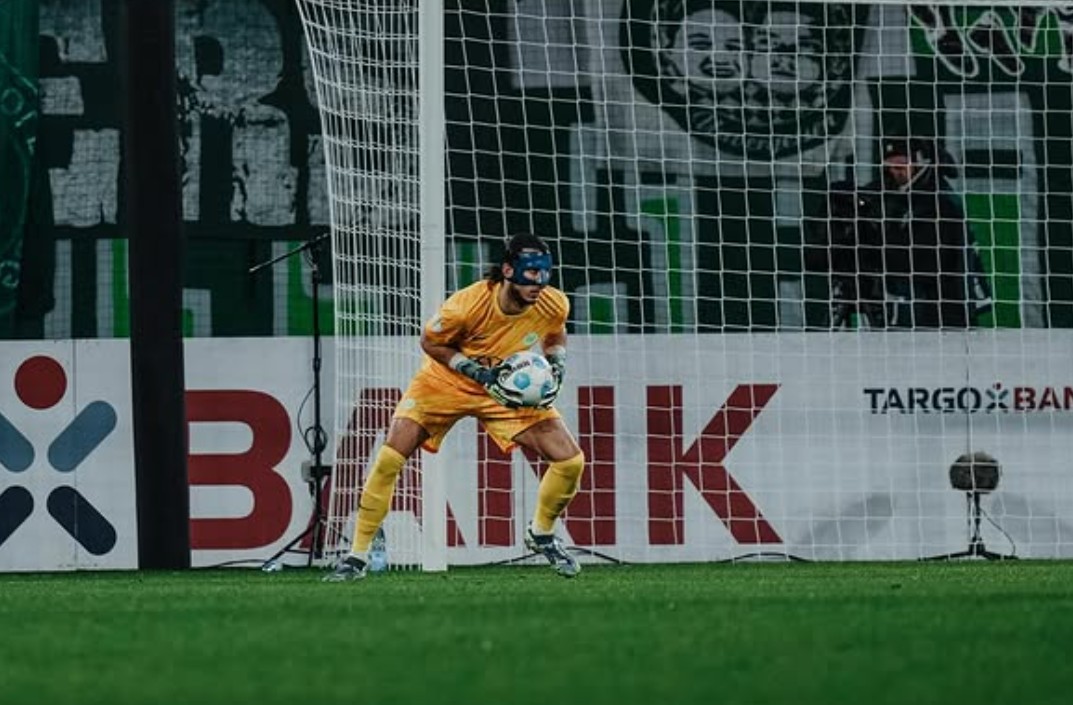
Poland’s goalkeeper pipeline remains one of the strongest in Europe. With Wojciech Szczęsny nearing the later stages of his career, younger keepers like Kamil Grabara are ready to take the spotlight. Grabara’s confidence and shot-stopping ability make him a likely long-term successor.
How the team is evolving
This new generation is pushing Poland toward a more modern tactical identity. The team is becoming faster, more vertical, and more dynamic, a shift from the static, defense-first style of previous years.
Coaches are embracing pressing systems, quicker transitions, and multi-position players who can adapt fluidly. The squad is also starting to resemble what top European teams expect at the international level: youth mixed with experienced leaders.
With the expanded tournament format, Poland has a strong chance to qualify for the World Cup 2026 and potentially make noise on the world stage.
Here’s what the current trajectory suggests:
- Qualifying is highly achievable. The blend of young energy and remaining veteran leadership puts Poland in a strong position.
- Group stage advancement is realistic. Poland’s new pace and creative play give them better tools to compete with mid-tier teams.
- A Round of 16 appearance is within reach, especially if the younger players continue developing at their current pace.
- A deeper run depends on stability. If the coaching staff builds around this generation rather than defaulting to conservative play, Poland could surprise higher-ranked teams.
While expecting a quarterfinal might be optimistic for 2026, this tournament could be the foundation for something bigger—a squad ready to peak in 2030 or 2034.
Poland’s national team is no longer defined solely by its aging legends. The future looks faster, hungrier, and more technically gifted. If the young core continues to mature and the coaching staff leans into this new playing style, Poland could become one of the most exciting teams to watch on their road to the World Cup.
The rebuild isn’t just underway; it’s already transforming the team. And for fans, that means finally having a reason to look toward the future with optimism.