
The Catalan club has made good money this summer.
Barcelona’s transfer window could end with sales that shoot summer revenues up to around 120 million euros. This amount includes transfers that have not yet been completed – among them Marc Casadó, valued at around 20 million – as well as percentages and solidarity mechanisms.
Former Chelsea player Marcel Desailly: “The club needs a striker who ‘loves Manchester United’
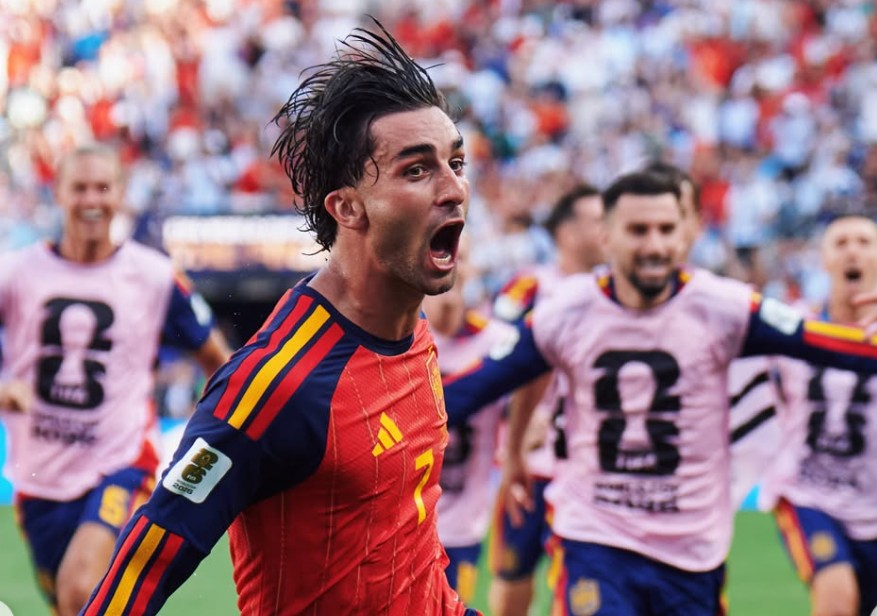
Ferran Torres tops Barcelona’s sales list
The biggest deal is the departure of Ferran Torres. The 26-year-old Torres goes to Paris Saint-Germain for a sum close to 48.5 million euros. Barcelona officially announced the deal on August 15 – after four and a half seasons in the first team.
Torres leaves the club with 65 goals and 22 assists in 207 appearances for Barcelona. In the 2025/26 season, he scored 16 goals in LaLiga – a tally that earned him the Zarra trophy alongside Lamine Yamal.
The transfer also has accounting significance for the club. The deal, close to 50 million, means that Barcelona will get back a good part of the 55 million fixed plus 10 in bonuses that the club paid Manchester City for Torres.
La Masia delivers gold
The sales of players from La Masia have considerable weight in the accounts. Ansu Fati and Tommy Marqués each contribute around 11 million, while Iñaki Peña brings in about 3 million, according to the figures in the market balance.
There are also smaller transactions. Dani Rodríguez and Andrés Cuenca generate around 600.000 and 700.000 euros respectively, while Héctor Fort will bring about 8.5 million with his move to Real Sociedad.
Ansu Fati has brought in 11 million euros / Reuters
La Masia supports Barcelona’s income significantly
The relationship between La Masia and Barcelona’s economy does not end with direct transfers. The club retains percentages of future sales of former players and can receive solidarity mechanisms when footballers educated at the academy change clubs.
An example is Jan Virgili, whose transfer from Mallorca to Club Brugge triggers around 4,8 million euros to Barcelona thanks to the percentage the club had on a future deal. This amount is complemented by approximately 4 million from solidarity mechanisms linked to former academy players.
Barcelona also have ongoing deals that could change the balance sheet. The potential sale of Marc Casadó, if completed at a sum close to €20 million, would position direct transfer revenue at around €110 million.
The remainder up to approximately 120 million will come from percentages of future sales and training or solidarity rights activated during the summer. Therefore, not all amounts have the same origin and should not be confused with money obtained solely from player sales.
Uncertainty about some transfers
By the way, Jofre Torrents should not yet be treated as verified income. His deal with Ajax can generate between 5 and 6 million, but a significant part depends on variables – so that sum cannot be considered guaranteed income for the time being.
The divestments have also had a different effect than direct income: some departures have reduced the salary budget without generating transfer fees. The loans of Marc-André ter Stegen and Ronald Araújo, for example, provide financial room for manoeuvre, even though they are not classified as sale transactions.
With Marc Casadó still on the block and other ongoing deals in the final days of the window, Barcelona could end the summer with around €120 million generated through sales and activated rights. The next step will be to complete the ongoing transactions to confirm how much of this amount will actually be real revenue – while La Masia still plays a central role in the final result.
Read the Health Manager: Simple steps can protect painful knees