
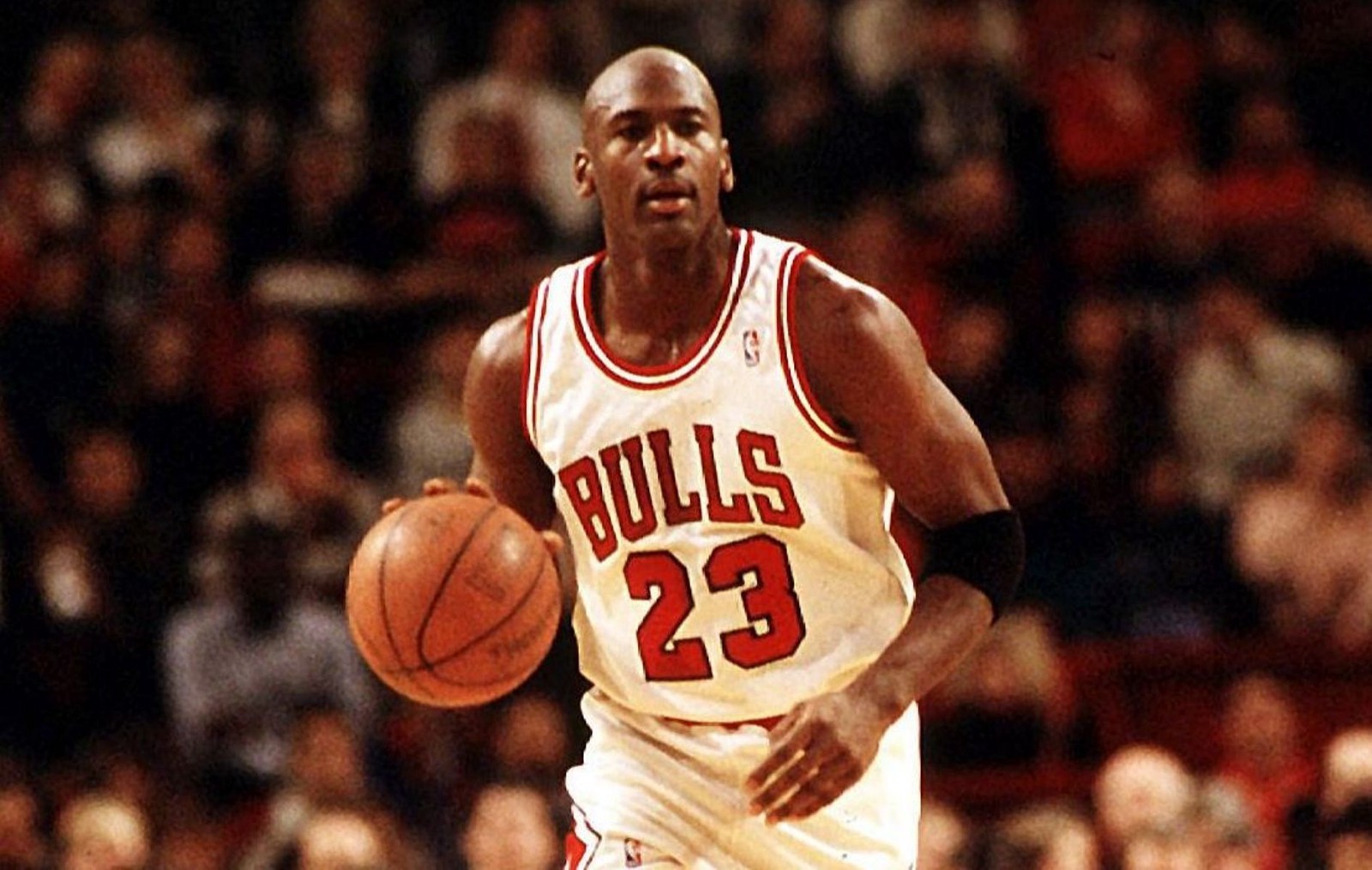
Every decade, the sport produces new stars, but only a few of them go down in history as true legends. What separates the really great from the rest is rarely just about physical conditions – it’s about mentality, dedication and the ability to perform when it matters most.
What defines a sports legend
A sports legend is more than an athlete with impressive statistics. It is a person who has changed their sport, inspired generations and left a cultural imprint that extends far beyond the leaderboards.
Many of today’s digital entertainment platforms, including sports betting websites and gaming platforms such as Bison casino, actively use iconic athletes in their content and marketing – demonstrating how deeply these figures are rooted in popular culture.
The most dominant athletes of all time
Across sports and eras, there are athletes who differed so markedly from their contemporaries that the comparison becomes almost meaningless. Below is a selection of the most recognized legends broken down into their respective sports:
| Athlete | Sports | Active period | Main achievements |
| Michael Jordan | Basketball | 1984–2003 | 6 NBA titles, 6 MVP awards in the Finals |
| Serena Williams | Tennis | 1995–2022 | 23 Grand Slam singles titles |
| Usain Bolt | Athletics | 2002–2017 | 8 Olympic golds, world records in the 100m and 200m |
| Muhammad Ali | Boxing | 1960–1981 | 3x World Heavyweight Champion |
| Marit Bjørgen | Cross-country skiing | 1999–2018 | 15 Olympic medals, most decorated winter athlete |
Physical prerequisites – necessary, but not enough
Genetic advantages such as height, lung volume and muscle fibre composition provide a starting point, but research shows that they are rarely the deciding factor. Most top athletes have similar physical conditions at the elite level.
What separates the very best is the ability to make the most of their prerequisites over time. Training quality, recovery and mental robustness often weigh more heavily than pure physical measurements.
Mental strength – the invisible advantage
Psychological research on elite sports consistently points to mental strength as one of the most important factors for long-term success. This includes the ability to handle pressure, bounce back from defeat, and maintain focus over long careers.
Mental Characteristics of Sports Legends
Studies by sports psychologists identify several pervasive mental traits in athletes who reach legendary status. The most important characteristics seem to be repeated across sports and cultures:
- Extraordinary ability to focus under pressure and at crucial moments.
- Intrinsic motivation that is not dependent on external reward or recognition.
- Ability to analyze one’s own mistakes without losing self-confidence.
- Long-term patience combined with short-term competitive instinct.
- Adaptability as the body ages or the competitive situation changes.
How Legends Deal With Defeat
What really separates the greatest athletes from the rest is not that they avoid defeat, but the way they react to them. Michael Jordan was cut from her high school basketball team, and Serena Williams lost major finals in periods marked by injuries and personal crises.
Common to all is that the defeat was used as fuel rather than a reason to give up. Sports psychologists call this resilience – the ability to return to the top level after adversity, and it is a quality that can be trained systematically.
Training volume and methods – comparison across sports
Training methods vary enormously between sports, but there are interesting patterns in how much the greatest legends have trained compared to the average at the elite level. Research on deliberate practice shows that the quality of the training is at least as important as the volume.
| Sports | Average Elite Training Volume | Typical training volume for legends | Special characteristics |
| Swimming | 60-70 km/week | 80–100 km/week | Double workouts daily |
| Cross-country skiing | 700-800 hours/year | 900-1000 hours/year | Altitude training and varied surfaces |
| Tennis | 4-5 hours/day | 6-8 hours/day | Mental coaching integrated into training |
| Football | 1-2 hours/session | 3-4 hours incl. extra training | Individual technique training outside of team training |
Norwegian sports legends in a global perspective
Norway is a small country, but has produced a disproportionate number of sports legends, especially in winter sports. This is due to a combination of cultural factors, geographical advantages and a well-functioning sports system that captures talent early.
Marit Bjørgen, Ole Einar Bjørndalen and Magnus Carlsen represent three very different sports, but share the same characteristics that characterize all legends: extraordinary dedication, long-term dominance and the ability to redefine what is possible in their sport.
What modern sports science says about greatness
In recent decades, modern sports science has made great strides in understanding what creates top performance. Genetics, biomechanics, nutrition and sleep research have all contributed to a more nuanced picture of sporting greatness.
| Factor | Significance for performance | Influenceability |
| Genetics | High | Not modifiable |
| Training quality | Very high | Fully Influenceable |
| Mental strength | High | Partially influenceable |
| Nutrition and recovery | Medium high | Fully Influenceable |
| Early specialization | Varies by sport | Modifiable |
| Coaching and environment | High | Partially influenceable |
The influence of legends beyond sports
The greatest athletes influence society far beyond their respective sports. They become role models, cultural icons and, in many cases, voices for social and political causes.
Political and social engagement
Muhammad Ali used his platform to speak out against the Vietnam War and became a symbol of civil disobedience and personal integrity. Serena Williams has been a central voice for equality and racial justice throughout her career.
These contributions are an integral part of what makes them legends, not just great athletes. History remembers them as much for courage outside the arena as for achievements in it.
Commercial and cultural footprint
Sports legends also have a huge commercial influence that extends far beyond sponsorship deals and advertising. Michael Jordan’s collaboration with Nike created an entire sneaker culture that still dominates the fashion scene decades after his active career.
This cultural force allows legends’ names and images to remain relevant long after they have folded. They become reference points in pop culture, film, music, and language in a way that few other public figures achieve.
Summary
Sports legends are not created overnight and not by talent alone. It is the combination of physical conditions, mental strength, the right training methodology and the ability to lift yourself in crucial moments that creates the athletes that are remembered for generations. History shows that the path to legendary status always goes through countless hours of dedicated work far from the limelight.