
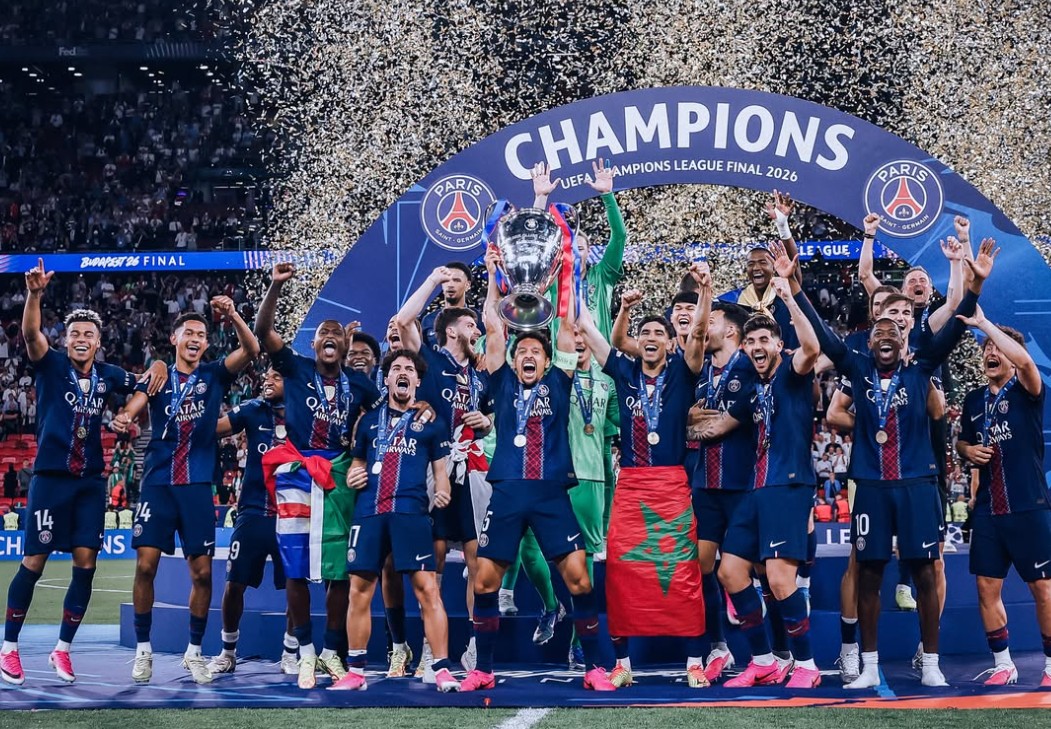
In today’s sports world, loyalty is no longer just a matter of where you were born or what team your father cheered for. Modern fans are more demanding, more informed, and more engaged than ever. Yet one thing is constant: the feeling of belonging. It’s this feeling that makes people stand outside in the rain at Ullevaal, stay up until three o’clock to watch NBA games, or follow every single transfer rumor as if it were personal news.
For many, it is also about rituals and small traditions that give the sport an extra dimension. It can be anything from regular match days with friends to super cool habits that “must” be done before kick-off. Such details create an emotional anchoring that makes loyalty even stronger.
Research from the European Journal of Sport Management shows that today’s fans are more attached to identity than to geography. This means that loyalty is shaped by values, culture, style of play and personal connection – not just by where the team is based. When a team represents something you can relate to, loyalty becomes stronger and more long-lasting.
Star players, storytelling and branding
In an age where sports are global and available around the clock, profile building plays a huge role. Star players aren’t just athletes—they’re brands. They have their own documentaries, their own collections, their own TikTok trends. And fans follow them as closely as they follow the teams.
This creates a new type of loyalty: person-based loyalty. Many young fans choose teams based on who their favorite player plays for. When the player changes clubs, loyalty often follows. It is a dramatic change from previous generations, where club affiliation was unwavering.
At the same time, clubs have become far better at storytelling. Documentaries like All or Nothing and Drive to Survive have made fans more emotionally invested than ever. When you get to see the dressing room, the conflicts, the coaching philosophy and the people behind the results, you become connected to the team on a deeper level.
Digital culture—where fans live, discuss, and build community
Social media has completely changed how fans behave. Today, Twitter/X, TikTok, and Reddit are as important as the stadium. This is where fans discuss tactics, analyze matches, share memes, and build community. For many, this is as much a part of the fan experience as the sport itself.
Digital platforms also allow fans to be active all year round, not just on match day. They follow trainings, press conferences, rumours and statistics in real time. This creates a continuous stream of content that keeps loyalty warm.
And here’s an interesting parallel: the same digital culture that drives sports engagement is also driving interest in other forms of entertainment – such as gaming, fantasy leagues, and even online casinos. Many sports fans enjoy competition, strategy and excitement, and therefore it is not surprising that some also find entertainment in players such as Lilibet Norway, where sports interest and digital culture often meet in the form of odds, live betting and sports-related promotions.
Community, rituals and the feeling of being part of something bigger
Ultimately, fan loyalty is about one thing: community. It is the feeling of being part of something bigger than yourself. It’s the rituals – the costume you put on, the pub you go to, the songs you sing. It’s the friends you share wins and losses with. It is the memories that are built over time.
Modern fans are more digital, more global, and more selective than before, but the core is the same: sports make sense. It gives identity. It provides stories you carry with you for the rest of your life.
And that’s exactly why loyalty endures – even when the team loses, even when the stars disappear, even when the season is tough. For true fans, it’s not just about the results. It’s about the journey.